

English
- English
- Español
- عربي
- français
- Deutsch
Common Plywood Defects and How to Avoid Them
Time: 2026-07-21 14:12:14
Author: Linyi Camel Plywood Co., Ltd
Click:
Whether you're purchasing film faced plywood, hardwood plywood, marine plywood,
Whether you're purchasing film faced plywood, hardwood plywood, marine plywood, or construction plywood, product quality directly impacts project performance, construction efficiency, and long-term costs. Even high-quality plywood can fail if manufacturing standards are poor or if buyers overlook common defects during inspection.
Understanding plywood defects helps contractors, importers, distributors, and project managers make informed purchasing decisions and avoid unnecessary losses.
In this guide, we'll explain the most common plywood defects, their causes, how they affect performance, and the best ways to avoid them.
Why Plywood Quality Matters
Plywood is widely used in:
- Concrete formwork
- High-rise construction
- Infrastructure projects
- Furniture manufacturing
- Interior decoration
- Marine applications
Poor-quality plywood can lead to:
- Reduced load-bearing capacity
- Shorter service life
- Increased construction costs
- Safety risks
- Poor concrete finishes
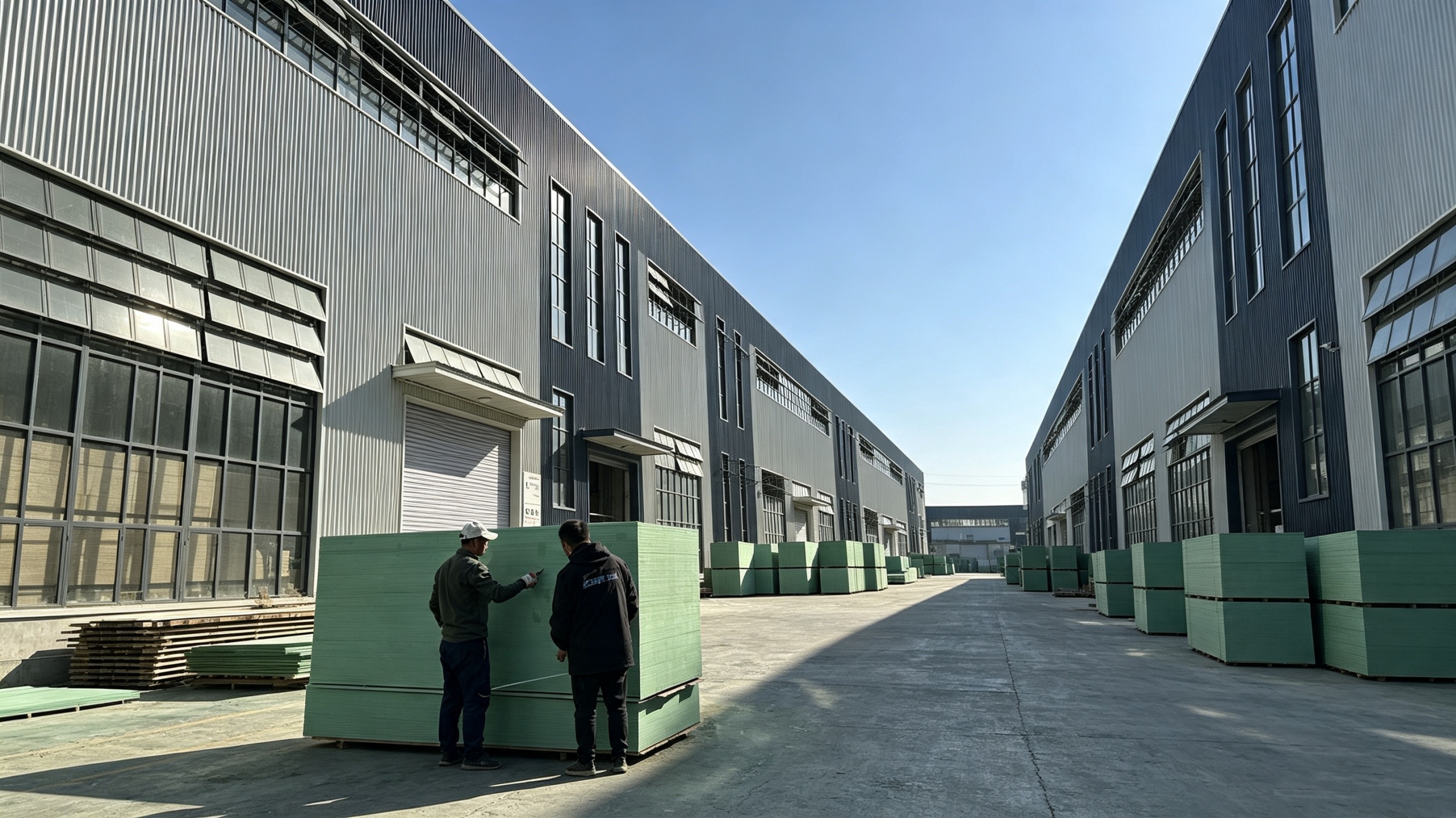
A reliable plywood manufacturer follows strict quality control procedures to minimize defects before products leave the factory.
1. Delamination
What Is Delamination?
Delamination occurs when the veneer layers separate from each other due to weak bonding.
Common Causes
- Poor adhesive quality
- Insufficient hot pressing
- Incorrect pressing temperature
- Low-quality veneers
- Excessive moisture
How It Affects Performance
- Reduced structural strength
- Lower waterproof performance
- Shorter service life
- Panel failure during construction
How to Avoid It
- Choose plywood manufactured with WBP waterproof glue for exterior and formwork applications.
- Buy from experienced manufacturers with strict hot-pressing processes.
- Request bonding test reports before placing large orders.
2. Internal Voids
What Are Internal Voids?
Internal voids are empty spaces or gaps inside the plywood core caused by missing or poorly assembled veneer layers.
Common Causes
- Low-grade core veneers
- Poor veneer arrangement
- Inadequate manufacturing control
Risks
- Reduced load-bearing capacity
- Weak screw holding strength
- Increased risk of cracking
How to Avoid It
Inspect the plywood edge. High-quality plywood should have:
- Uniform veneer layers
- No large gaps
- Tight bonding
- Consistent core structure
Hardwood core plywood usually contains fewer voids than lower-grade plywood.
3. Warping
What Is Warping?
Warping occurs when plywood bends or twists instead of remaining flat.
Causes
- Uneven moisture content
- Improper storage
- Poor pressing process
- Unbalanced veneer construction
Effects
- Difficult installation
- Uneven concrete surfaces
- Reduced structural accuracy
Prevention
- Store plywood on flat, dry surfaces.
- Keep panels away from direct sunlight and rain.
- Purchase plywood from manufacturers with moisture-controlled production.
4. Surface Bubbles
What Are Surface Bubbles?
Surface bubbles appear when the film or veneer lifts away from the panel.
Causes
- Air trapped during pressing
- Poor adhesive application
- Uneven pressing pressure
Problems
- Damaged film surface
- Moisture penetration
- Reduced durability
Prevention
Choose manufacturers using automated hot-press equipment and strict surface inspections.
5. Cracks and Splits
Cracks may appear on the surface or edges of plywood panels.
Causes
- Poor veneer quality
- Excessive drying
- Rough handling during transportation
- Mechanical damage
Effects
- Reduced panel strength
- Water penetration
- Shorter service life
Prevention
Inspect every shipment carefully and ensure panels are properly packaged with edge protection.
6. Uneven Thickness
Consistent thickness is essential for construction plywood.
Causes
- Worn production equipment
- Poor calibration
- Inconsistent pressing pressure
Problems
- Poor formwork alignment
- Uneven concrete finishes
- Installation difficulties
Prevention
Measure thickness at several points using a digital caliper.
Professional manufacturers maintain strict production tolerances.
7. Poor Edge Sealing
Edge sealing protects plywood from moisture.
Signs of Poor Edge Sealing
- Rough edges
- Missing paint
- Exposed veneer layers
- Visible gaps
Consequences
- Water absorption
- Swelling
- Delamination
- Reduced reuse cycles
Prevention
Select plywood with waterproof edge sealing, especially for film faced plywood used outdoors.
8. Low-Quality Surface Film
For film faced plywood, the surface film plays a critical role.
Common Defects
- Scratches
- Peeling
- Wrinkles
- Thin film coating
- Uneven color
Why It Matters
A poor-quality film reduces:
- Wear resistance
- Waterproof performance
- Concrete surface finish
- Reusability
Prevention
Choose plywood with high-quality phenolic film or PP plastic film designed for repeated concrete formwork use.
9. Poor Glue Bonding
Glue quality determines how well veneer layers remain bonded.
Common Problems
- Weak bonding
- Layer separation
- Moisture damage
Recommended Glue Types
- WBP Glue – Best for exterior construction and concrete formwork
- MR Glue – Suitable for interior applications
Always confirm the glue specification before ordering.
10. Moisture-Related Defects
Improper moisture control can lead to:
- Swelling
- Mold
- Cracking
- Delamination
Professional manufacturers monitor moisture content throughout production to ensure dimensional stability.
How to Inspect Plywood Before Buying
Before placing a bulk order, inspect the following:
- Core structure
- Surface finish
- Film quality
- Edge sealing
- Thickness accuracy
- Flatness
- Glue specification
- Moisture content
- Certifications
Request samples whenever possible.
How CAMELPLY Ensures High-Quality Plywood
At CAMELPLY, quality control is integrated into every stage of production.
Our inspection process includes:
Raw Material Inspection
Only carefully selected hardwood veneers are used.
Veneer Grading
Every veneer is checked for defects before assembly.
Precision Manufacturing
Automated production equipment ensures:
- Consistent thickness
- Strong bonding
- Uniform pressing
Glue Bond Testing
We use high-performance WBP glue for construction-grade plywood.
Surface Inspection
Each sheet is inspected for:
- Smooth finish
- Film integrity
- Edge quality
- Dimensional accuracy
Final Quality Control
Before shipment, every batch undergoes:
- Thickness measurement
- Moisture testing
- Appearance inspection
- Packaging verification
This comprehensive process ensures our plywood meets the requirements of contractors and distributors worldwide.
Why Choose CAMELPLY?
With more than 25 years of manufacturing experience, CAMELPLY supplies premium plywood products to customers in over 100 countries.
Our product range includes:
- Film Faced Plywood
- Hardwood Core Plywood
- Marine Plywood
- Structural Plywood
- MDF Boards
- H20 Timber Beams
We offer:
- Factory-direct pricing
- Strict quality inspection
- OEM customization
- Stable production capacity
- On-time delivery
- Professional export service
Whether you're sourcing plywood for large infrastructure projects or commercial construction, CAMELPLY delivers reliable quality you can trust.
Conclusion
Recognizing common plywood defects is essential for selecting durable and reliable plywood products.
By inspecting the core structure, glue quality, surface film, edge sealing, thickness, and moisture content, buyers can significantly reduce purchasing risks and improve project performance.
Working with an experienced manufacturer like CAMELPLY ensures consistent quality, longer service life, and greater value for every construction project.
Frequently Asked Questions
What is the most common plywood defect?
Delamination is one of the most common defects. It occurs when veneer layers separate due to poor adhesive quality or improper manufacturing.
How can I check plywood quality before buying?
Inspect the panel for a uniform core, smooth surface, consistent thickness, proper edge sealing, and strong glue bonding. Ask the supplier for quality inspection reports and product certifications.
Which glue is best for construction plywood?
WBP (Water Boiled Proof) glue is the preferred choice because it provides superior waterproof performance and strong bonding for outdoor and concrete formwork applications.
Does hardwood core plywood reduce defects?
Yes. High-quality hardwood core plywood typically has fewer internal voids, better structural strength, and improved durability compared with lower-grade core materials.
Share Us

点击右上角
分享给朋友吧
Sign up for our newsletter to stay up-to-date with our promotions, discounts, sales, and special offers
INFORMATION
TOP-SELLING PRODUCTS
CONTACT US

No.11, Chuang ye Road of Yitang Industrial Park, Linyi City, China.

0086-178-5394-3002

info@camelply.com
Copyright © Fortune BM 2022 All Rights Reserved.